Psycle - Case Study
The Background
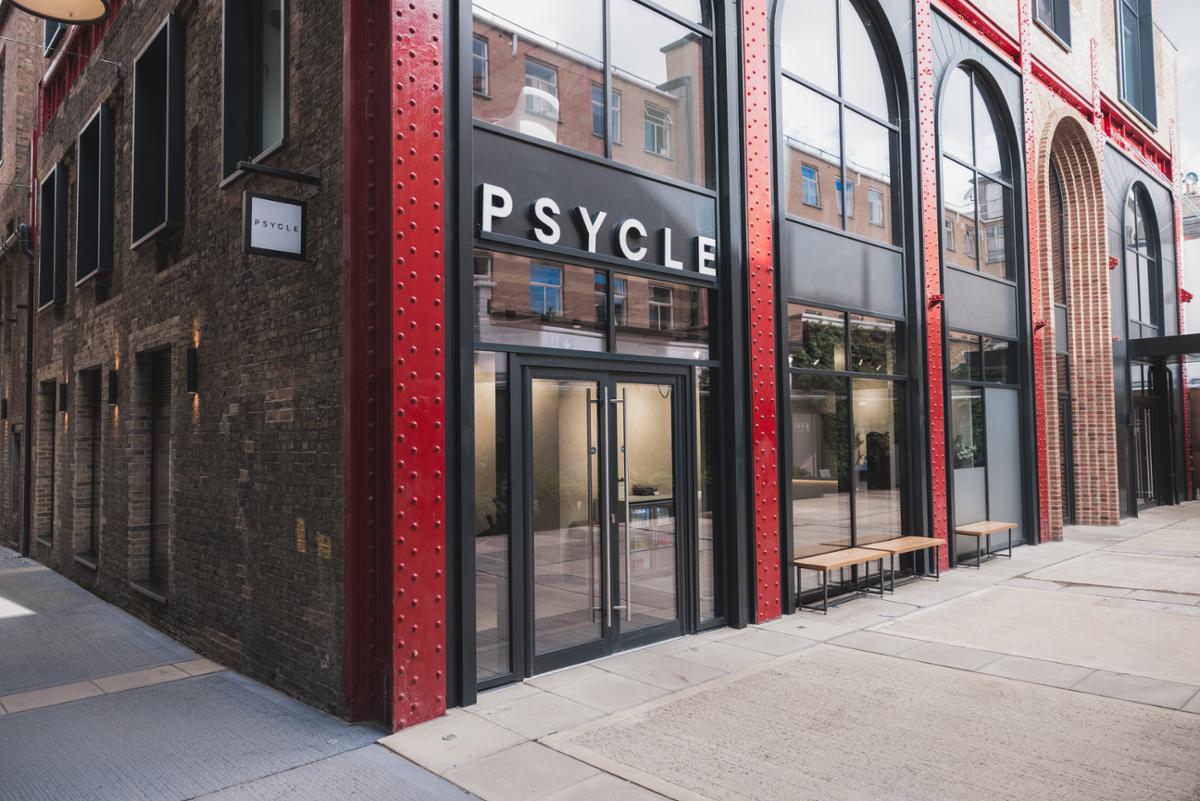
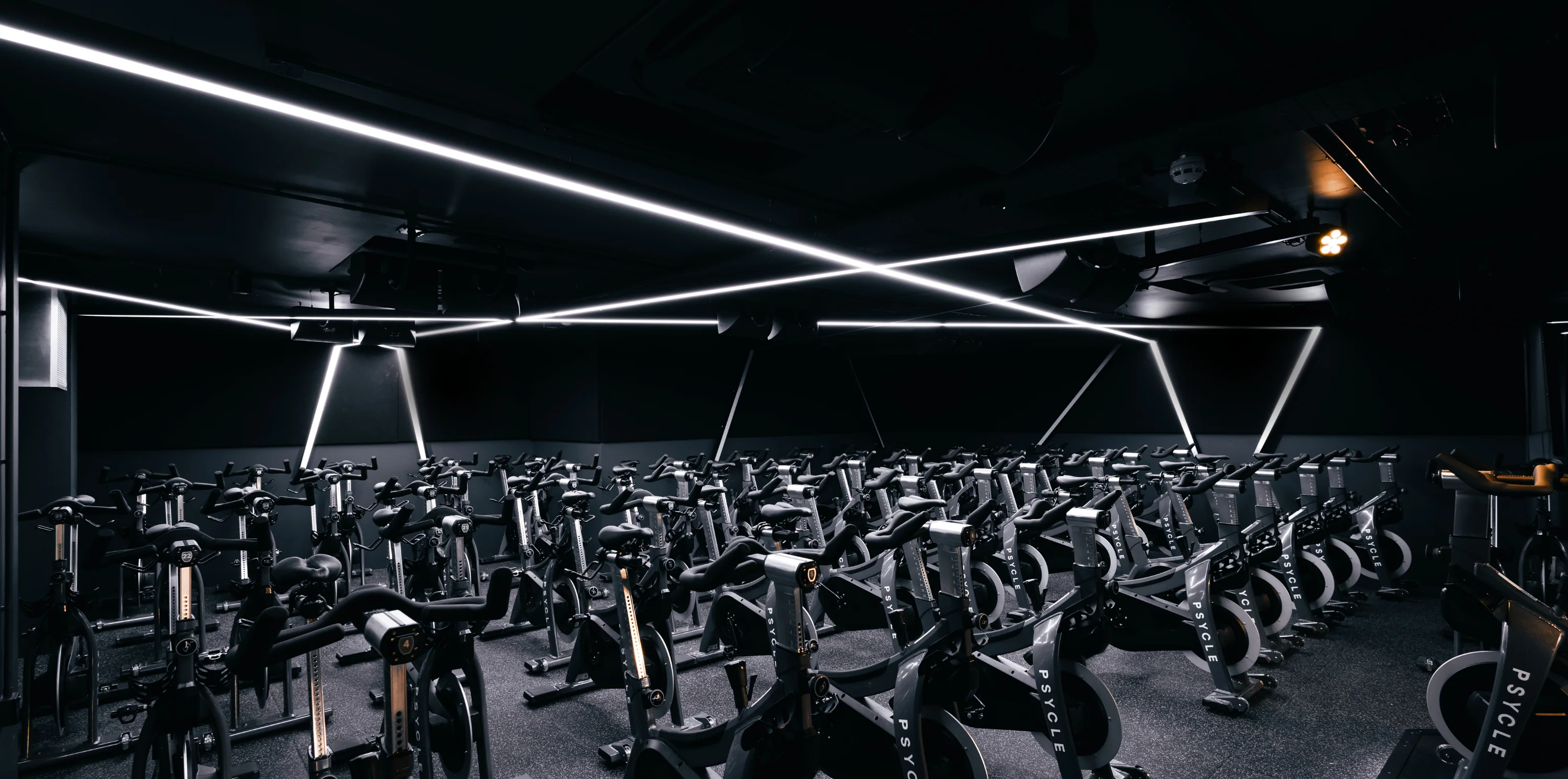
Psycle operates high-performance fitness studios across London, where presentation, hygiene, and consistency directly impact member experience and brand perception. As the business expanded, cleaning had become a critical operational function rather than a back-of-house task.
With a combination of internal housekeeping and external support, Psycle recognised the need for greater structure, clearer oversight, and improved commercial control across multiple sites.
The Operational Challenge
While day-to-day standards were being maintained, the structure behind delivery lacked clarity and commercial control. As Psycle continued to grow, the cleaning model had not evolved at the same pace.
There was limited visibility over true cleaning costs, with product spend not clearly integrated into hourly rates. Responsibility was blurred between internal teams and external support, and management time was increasingly absorbed into housekeeping administration rather than strategic oversight. Reporting existed, but without a structured performance framework it was difficult to measure outcomes consistently across sites.
As studios became busier and more complex, small inefficiencies began to compound. What started as manageable operational friction risked becoming a recurring distraction. The issue was not effort on the ground. It was the absence of a defined system to maintain consistency, accountability, and cost transparency at scale.
The Atlantis Approach
Atlantis began with a structured discovery process, meeting with senior Psycle stakeholders including operational leadership and executive management. The focus was to understand site complexity, staffing structure, cost drivers, and long-term objectives before proposing a solution.
From this analysis, Atlantis introduced a fully managed framework built around three core principles:
• Defined hourly delivery aligned to operational needs
• A fixed, transparent management layer
• Integrated product and stock control systems
Rather than separating cleaning from management, the model introduced structured oversight including:
• Weekly management allocation
• Monthly reporting and check-ins
• Product consolidation and supplier consultation
• Clear accountability across all sites
This reframed cleaning from a task-based service into a managed operational system designed for consistency, visibility, and continuous improvement.
The Outcome
By implementing a structured management model, Psycle moved from reactive oversight to controlled, performance-led delivery. Cleaning was no longer managed informally across sites but supported by defined accountability, reporting, and cost transparency.
The impact was measurable across both quality and commercial performance:
• 28% improvement in audited service quality
• 25% operational efficiency gain
• Just under £20,000 eliminated in unmanaged annual product spend
• Approximately £48,000 reduction in total annual cost
• Senior management sign-off, structured reviews, and technology-enabled reporting introduced across all sites
Standards stabilised, internal management time was reduced, and site presentation improved. Most importantly, cleaning shifted from a variable cost centre to a managed operational function with clear ownership and measurable outcomes.